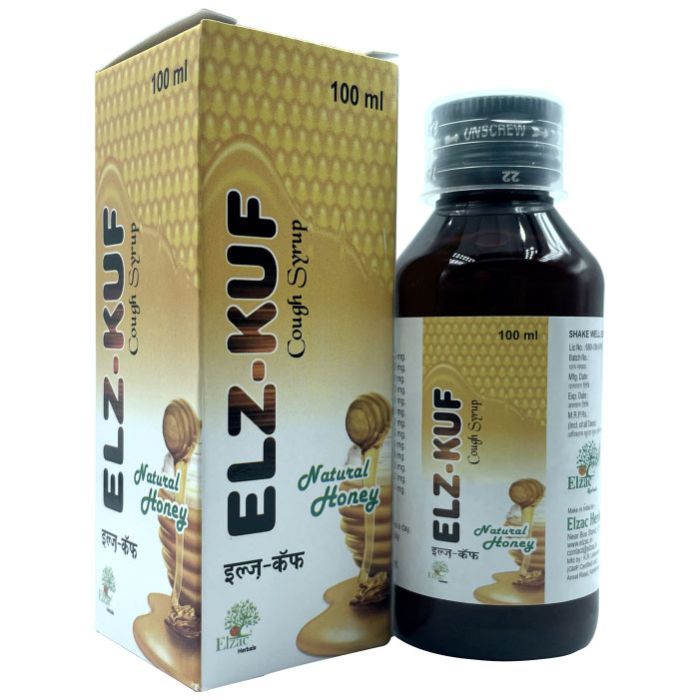
Elz‑Kuf Syrup is formulated to relieve both productive and non‑productive coughs. The official ingredient list includes a blend of expectorant, demulcent and immune‑modulating herbs. The following article summarises the ingredients and explains the actions of well‑studied constituents using reliable sources.
Ephedra (Somlata): a perennial herb known for its use in traditional Ayurvedic medicine for respiratory support and energy enhancement.
Kantkari (Solanum xanthocarpum): Traditional Ayurvedic texts describe Kantkari as an expectorant and bronchodilator. Its alkaloids (solasodine) are thought to relax bronchial smooth muscle and modulate cough reflexes.
Garlic (Allium sativum): Garlic is renowned for its antimicrobial activity. WebMD notes that garlic’s active compound allicin helps fight bacteria, viruses and fungi and may inhibit drug‑resistant Staphylococcus and Candida species[1]. Garlic also contains heart‑protective compounds and can modestly lower blood pressure[2].
Ginger (Zingiber officinale): Ginger helps ward off germs, calms nausea and breaks up intestinal gas. It has anti‑inflammatory properties that can soothe sore muscles and ease arthritis symptoms, making it useful in throat discomfort.
Licorice root (Mulethi): Licorice has anti‑inflammatory and antispasmodic effects; glycyrrhizin relaxes smooth muscles and balances hormones[3]. In cough syrups it acts as a demulcent, coating the throat and easing irritation.
Holy basil (Ocimum sanctum, Tulsi): Holy basil contains eugenol and camphor, compounds that open the airways and help relieve respiratory discomfort[4]. As an adaptogen, it helps the body manage stress by balancing cortisol levels[5].
Adhatoda vasica (Vasaka): The plant contains the alkaloid vasicine. A blog article on Indian Vaidyas summarises that Vasaka is used for bronchitis, asthma and allergies and acts as an expectorant and bronchodilator, helping to thin and expel mucus. It also shows anti‑inflammatory and antimicrobial properties and, in a rat study, lowered LDL cholesterol and triglycerides.
Other expectorants (Bharangi, Hyssop): These herbs are traditionally used to thin mucus and soothe inflamed mucous membranes. Controlled clinical evidence is limited, but their inclusion reflects long‑standing Ayurvedic practice.
Honey: Honey’s viscous texture coats the throat and may help suppress coughing. Limited clinical studies suggest that a spoonful of honey can reduce night‑time cough frequency in children, though more research is needed.
Black pepper & Long pepper: Piperine, the active compound in black and long pepper, is an antioxidant that improves the absorption of nutrients and drugs and stimulates digestive secretions[6][7]. Piperine also has anti‑inflammatory effects and can enhance the bioavailability of other herbal constituents.
Soothes productive and dry coughs: Licorice and Honey coat and soothe irritated mucous membranes. Tulsi and vasaka act as expectorants and bronchodilators to loosen mucus and ease breathing.
Combats respiratory infections: Garlic’s allicin has broad‑spectrum antimicrobial properties against bacteria, viruses and fungi[1]. Ginger fights germs and relieves nausea, while holy basil contributes adaptogenic support[5].
Supports immune function: Tulsi and ginger are rich in antioxidants that protect cells from free radical damage[4]. Honey and licorice provide soothing moisture that may help reduce coughing fits.
Improves bioavailability: The piperine in black pepper and long pepper enhances the absorption of active compounds and stimulates digestion[6].
The typical adult dosage is two teaspoons of Elz‑Kuf Syrup three times a day with warm water. Children’s doses should be adjusted by a healthcare provider. Always consult a qualified physician before using multi‑herb cough formulas, especially in children.
Elz‑Kuf Syrup blends classical expectorant herbs with well‑studied botanicals to address coughs and respiratory irritation. Evidence shows that garlic, ginger and holy basil offer antimicrobial, anti‑inflammatory and adaptogenic benefits[1][4], while vasaka acts as a bronchodilator and expectorant. Users should follow dosage guidelines and seek professional advice when needed.
Buy Elz-kuf 100 ml – An Ayurvedic Cough Syrup Online
Are you a doctor, distributor, wholesaler, or sales representative with a passion for Ayurvedic products?
If so, we offer competitive margins, marketing support, and a commitment to quality. To learn more about this exciting opportunity, visit our website to know more ayurvedic products distribution
[1] [2] Garlic: Is It Good For You? Pros and Cons, Nutrition, and More
https://www.webmd.com/diet/garlic-good-for-you
[3] Licorice root for menstruation: Benefits and uses | HealthShots
https://www.healthshots.com/intimate-health/menstruation/licorice-root-for-menstruation/
[4] [5] Is Holy Basil Tea Good for You? Pros and Cons, Nutrition Information, and More
https://www.webmd.com/diet/holy-basil-tea-health-benefits
[6] [7] Black Pepper: Health Benefits, Nutrients per Serving, Preparation Information, and More