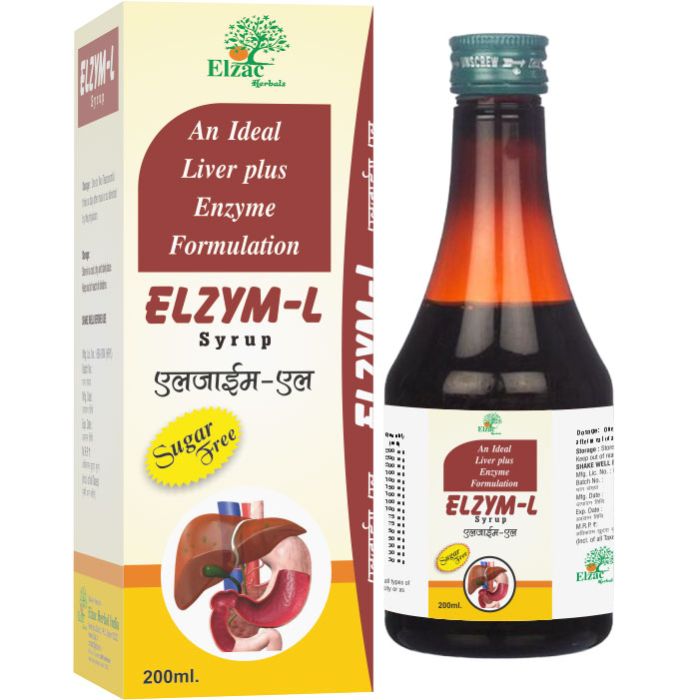
Elzym‑L is marketed as a multi‑herb enzyme and liver‑detox syrup. The formula blends bitter liver cleansers with aromatic spices and mild laxatives. Instead of repeating marketing claims, the following sections examine each ingredient using evidence from reputable health sources.
Bhringraj (Eclipta alba): Traditionally used as a liver cleanser and hair tonic, bhringraj contains anti‑inflammatory and antimicrobial compounds and has been used to reduce symptoms of cirrhosis and hepatitis[2]. Early studies suggest it may also help lower cholesterol and blood pressure[1].
Bhuiamla (Phyllanthus niruri): Extracts of this herb have demonstrated hepatoprotective and analgesic activity. A PeaceHealth monograph reports that Phyllanthus has been used to treat jaundice, hepatitis and dysentery, and that animal studies showed improvements in liver markers and reduced pain[3][4].
Punarnava (Boerhaavia diffusa): Punarnava is valued for its diuretic and rejuvenative properties. A 1 mg monograph notes that punarnava juice increases urine output, may help manage liver problems due to its antioxidant activity and reduces joint pain because of its Vata‑balancing nature[5].
Chitrakmool (Plumbago zeylanica): In Ayurvedic practice, chitrak is used to stimulate the digestive fire and boost metabolism. There is little clinical research on its effects, so claims about weight loss and liver support remain speculative and should be interpreted cautiously.
Daruhaldi (Barberry): Barberry roots contain alkaloids such as berberine with antioxidant and anti‑inflammatory properties. WebMD notes that berberine may reduce LDL cholesterol and triglycerides and improve congestive heart failure and blood sugar levels, although strong evidence is lacking[6].
Triphala (Classical blend of amla, bibhitaki and haritaki): Triphala is a polyherbal tonic used to regulate digestion and detoxify the body. A WebMD overview explains that the mixture aids digestion, reduces inflammation, supports liver function and helps regulate blood sugar[7].
Giloy (Tinospora cordifolia): Tinospora contains chemicals with antioxidant and anti‑inflammatory effects and is used for hay fever, high cholesterol and type 2 diabetes. WebMD reports that it may modulate the immune system[8].
Sanay (Senna, Cassia angustifolia): Senna leaves and pods contain glycosides that stimulate bowel movements. Mayo Clinic notes that senna is used to relieve occasional constipation and typically produces a bowel movement within 6–12 hours[9].
Pudina (Peppermint): Peppermint oil contains menthol, which relaxes intestinal muscles and eases spasms. A WebMD review states that peppermint can relieve indigestion and symptoms of irritable bowel syndrome, reduce heartburn and relieve gas[10].
Jeera (Cumin): Cumin seeds exhibit antibacterial activity and may help manage cholesterol and blood sugar. WebMD summarises research showing that cumin extract relieved irritable bowel syndrome symptoms and lowered LDL cholesterol, triglycerides and blood glucose in preliminary studies[11].
Kutki (Picrorhiza kurroa): This bitter herb contains compounds that may stimulate the immune system and relieve inflammation. WebMD notes that Picrorhiza is used for liver problems, fever and allergy, but strong scientific evidence is lacking[12].
Kalmegh (Andrographis paniculata): Andrographis’ active compound andrographolide has anti‑inflammatory and antibacterial properties. Healthline reports that andrographis is used for respiratory infections and immune support and may reduce symptoms of osteoarthritis and ulcerative colitis, although human data are limited[13].
Revand chini (Rhubarb, Rheum emodi): Rhubarb root contains chemicals that reduces swelling and fibre that may help lower cholesterol and affect stomach conditions. WebMD notes that rhubarb is used for diarrhea, stomach pain and indigestion, but there is no good scientific evidence to support these uses[14].
Trikatu (Ginger, Black Pepper, Long Pepper): Ginger fights germs and calms nausea and has anti‑inflammatory effects. Piperine in black pepper enhances nutrient absorption and stimulates digestive enzymes[15][16]. Long pepper contains chemicals that may kill parasites and reduce swelling and also improves the bioavailability of other compounds[17].
Ajwain (Trachyspermum ammi): Ajwain seeds are rich in thymol and carvacrol, which have antibacterial and antifungal properties[18]. They stimulate gastric secretions and accelerate stomach emptying[19]. Ajwain may lower cholesterol and blood pressure in animal studies and should be avoided during pregnancy[20][21].
Saunf (Fennel seeds, Foeniculum vulgare): Fennel seeds provide fibre and flavonoids that relax smooth muscle and help relieve gas and bloating. Healthline reports that people chew fennel seeds after meals because research suggests they reduce gas, have anti‑inflammatory and antioxidative properties and may ease irritable bowel syndrome symptoms[22][23]. Fennel also shows mild antimicrobial activity[24].
Stimulates digestion and appetite: Bitter herbs like chitrak, triphala, kutki and kalmegh stimulate liver enzymes and digestive secretions. The Trikatu blend, ajwain, cumin and fennel seeds increase gastric motility and reduce gas[19][11][22]. Senna provides gentle relief from occasional constipation[9].
Supports liver detoxification and metabolic health: Bhringraj, bhuiamla, punarnava, barberry and kutki supply antioxidant and anti‑inflammatory compounds that support liver function[2][3][5][12]. Triphala and rhubarb help regulate cholesterol and detoxify the digestive tract[7][14]. Tinospora (giloy) further modulates the immune system and may support metabolic conditions[8].
Balances gut flora and reduces inflammation: Fennel, cumin, black pepper and ajwain offer antimicrobial actions[24][18][15]. Bhringraj, bhuiamla and barberry add anti‑inflammatory support[2][3].
Provides diuretic and detoxifying effects: Punarnava increases urine output[5], while bhuiamla and rhubarb have diuretic or laxative actions that aid the removal of waste[3][25].
Rejuvenates and nourishes: Triphala’s combination of vitamin‑rich fruits provides antioxidants and gentle laxative properties[7]. Bhringraj and punarnava support tissue repair and vitality[2][5].
Adults typically take 10–15 ml of Elzym‑L Syrup two or three times daily after meals. Because the formulation contains potent laxatives and liver‑acting herbs, long‑term use should be monitored by a healthcare professional. Pregnant or breastfeeding women should avoid ajwain, long pepper and high doses of andrographis[21][13]. People with autoimmune conditions or on immunosuppressants should use Tinospora with caution[8].
Elzym‑L Syrup brings together a diverse array of Ayurvedic herbs to target digestion, liver health, detoxification and immunity. Many of its ingredients—including bhringraj, bhuiamla, punarnava, barberry, triphala, tinospora and the Trikatu blend—offer anti‑inflammatory, antioxidant and digestive‑stimulating effects[2][3][7][8]. Nonetheless, clinical research on plumbago, rhubarb and the combined formulation is sparse.
Buy Elzym-L Syrup – Ayurvedic liver plus enzyme tonic
Are you a doctor, distributor, wholesaler, or sales representative with a passion for Ayurvedic products?
If so, we offer competitive margins, marketing support, and a commitment to quality. To learn more about this exciting opportunity, visit our website to know more ayurvedic products distribution
[1] [2] Bhringraj (False Daisy): Benefits, Uses, Side Effects
https://www.health.com/bhringraj-false-daisy-benefits-8677812
[3] [4] Phyllanthus – Health Information Library | PeaceHealth
https://www.peacehealth.org/medical-topics/id/hn-2146004
[5] Punarnava : Benefits, Precautions and Dosage | 1mg
https://www.1mg.com/ayurveda/punarnava-158
[6] BERBERINE: Overview, Uses, Side Effects, Precautions, Interactions, Dosing and Reviews
https://www.webmd.com/vitamins/ai/ingredientmono-1126/berberine
[7] Triphala: Are There Health Benefits? The Potential Benefits, Risks, and More
https://www.webmd.com/diet/triphala-good-for-you
[8] TINOSPORA CORDIFOLIA: Overview, Uses, Side Effects, Precautions, Interactions, Dosing and Reviews
https://www.webmd.com/vitamins/ai/ingredientmono-1157/tinospora-cordifolia
[9] Senna (oral route) - Side effects & dosage - Mayo Clinic
https://www.mayoclinic.org/drugs-supplements/senna-oral-route/description/drg-20406012
[10] Peppermint Oil Uses, Benefits, Effects, and More
https://www.webmd.com/a-to-z-guides/peppermint-oil-uses-benefits-effects
[11] Cumin: Health Benefits, Nutrients Per Serving, Preparation Information, and More
https://www.webmd.com/diet/health-benefits-cumin
[12] PICRORHIZA: Overview, Uses, Side Effects, Precautions, Interactions, Dosing and Reviews
https://www.webmd.com/vitamins/ai/ingredientmono-1082/picrorhiza
[13] Andrographis Supplements: What Does the Research Say?
[14] [25] RHUBARB: Overview, Uses, Side Effects, Precautions, Interactions, Dosing and Reviews
https://www.webmd.com/vitamins/ai/ingredientmono-214/rhubarb
[15] [16] Black Pepper: Health Benefits, Nutrients per Serving, Preparation Information, and More
https://www.webmd.com/diet/health-benefits-black-pepper
[17] INDIAN LONG PEPPER: Overview, Uses, Side Effects, Precautions, Interactions, Dosing and Reviews
https://www.webmd.com/vitamins/ai/ingredientmono-369/indian-long-pepper
[18] [20] [19] [21] 6 Emerging Benefits and Uses of Carom Seeds (Ajwain)
https://www.healthline.com/nutrition/carom-seeds
[22] [23] [24] Benefits of Fennel Seeds for Gas, Plus How to Use Them